Buy & sell
September 6, 2026
How to Sell Your Home and Buy the Next One at the Same Time
Selling your home and buying the next one at the same time is one of the most logistically complex transactions in real estate, but it is completely doable when you go in with a plan, not just hope. This article answers the four big questions, lays out your full menu of options from rent backs to bridge loans, and ends with a full video walkthrough on the channel.
C By CC Summerfield · FAM Realty Group
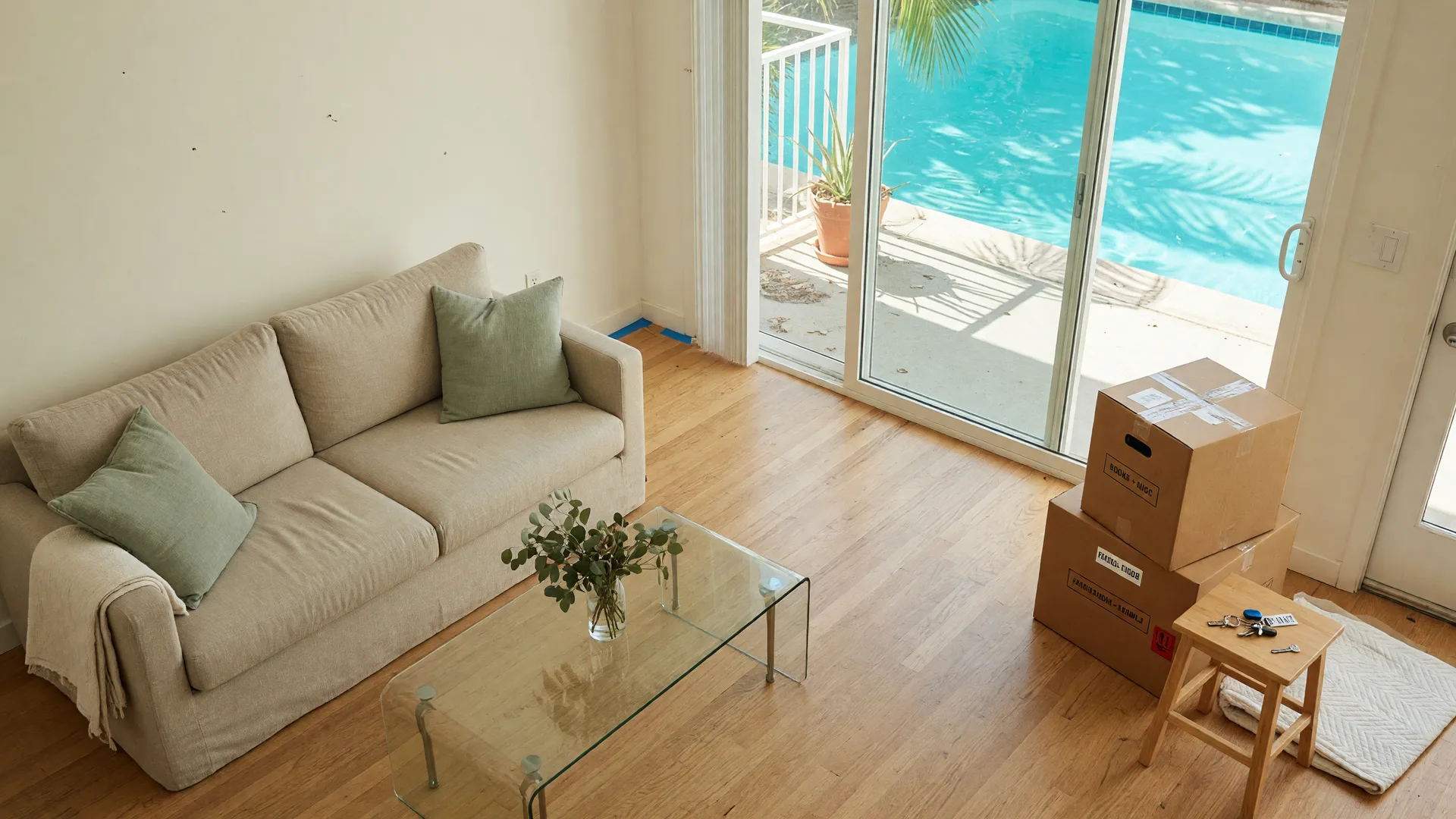
"How am I supposed to sell my house and buy the next one without ending up homeless in between?" After 20 years in San Diego real estate, I hear this worry all the time. Selling and buying at the same time is one of the most logistically complex things in real estate, but it is completely doable when you go in with a clear plan, not just hope. The difference between a smooth outcome and a stressful, chaotic experience is almost always the plan.
Here's a story that sums it up. A client of mine wanted something quieter with more space, a pool, and a better view, but they had to sell their current home first, and they had the same fears: the home sells before we find the next one, we can't get an offer accepted with a contingency, we end up in a short-term rental for six months. Instead, their home sold in one week. Because we had a plan in place, we were already in conversation on the next property, and we entered a multiple-offer situation on the new home with a contingency, and won. Both transactions closed together, one funding the other. We negotiated a rent back on the sold home for extra breathing room, and they took advantage of Prop 19 to carry their existing property tax base into the new home, saving thousands of dollars every single year. They ended up in a quieter neighborhood with the pool and view they'd pictured.
So let's answer the four big questions.
What if I can't find my next home?
Start the home search before you list, so you already have a short list of target properties when you go live. And build in breathing room: a rent back agreement lets you stay in your home after closing, typically up to 60 days, and in some cases you can negotiate an extended escrow on the sale.
What if my home sells too quickly?
Fast is a good problem if you're prepared. Build flexibility into the transaction from the start: decide on your rent back before you list, know your bridge options, and talk timing expectations with your agent. A quick sale also gives you negotiating power, because you arrive with a strong, motivated offer.
What if I can't get accepted with a contingency?
Contingency offers carry some stigma in competitive markets, but a contingent offer isn't automatically weak. What matters is how it's presented, how strong the rest of your terms are, and whether the listing agent believes you can perform. There's also a middle path: a bridge loan lets you tap into your current home's equity to fund the next purchase before the sale closes, removing the contingency and making your offer significantly more competitive.
How do concurrent closings work?
Your sale and purchase are coordinated to close the same day or very close together, with the sale proceeds funding the purchase. That requires coordination between two escrow companies, two sets of lenders if you're financing, and two sets of agents. The biggest protection is a buffer: don't schedule closings on the same day with zero margin. Give a day or two of overlap so a last-minute delay doesn't collapse the whole thing.
Your full menu of options
A contingent offer (purchase contingent on your home selling; legitimate and commonly used when presented well), a rent back agreement (sell but stay as a tenant after closing), a bridge loan (short-term financing that accesses equity before the sale closes), an extended escrow (a longer closing time on your sale), and a concurrent closing (both transactions close at once, sale proceeds funding the purchase). Most of the time, the right answer is a combination of these, not just one.
Most of the stress comes from not knowing how the process happens; the relief comes from knowing all the options up front and having sequenced the steps. The plan becomes: know your numbers, know your neighborhoods, know your timeline, then move in a deliberate order.
It isn't simple, but it's very doable. People do it every day, and it starts with a conversation. If you're not sure how you're going to make it work, reach out with no pressure and no obligation, and we'll go from "I don't know how I'm going to make this possible" to "I have a plan."
CC Summerfield
Real estate is family business for CC. With 21 years in the industry and 300+ homes sold across San Diego County, she guides buyers and sellers through downsizing, moving up, relocation, and estate sales with honesty and zero pressure. California DRE #01373421, eXp Realty.
Ask CC a question